 Benjy King Studio
Est. 2014 · NY
Benjy King Studio
Est. 2014 · NY
Where can you find the best wholesale latex balloons for your business?
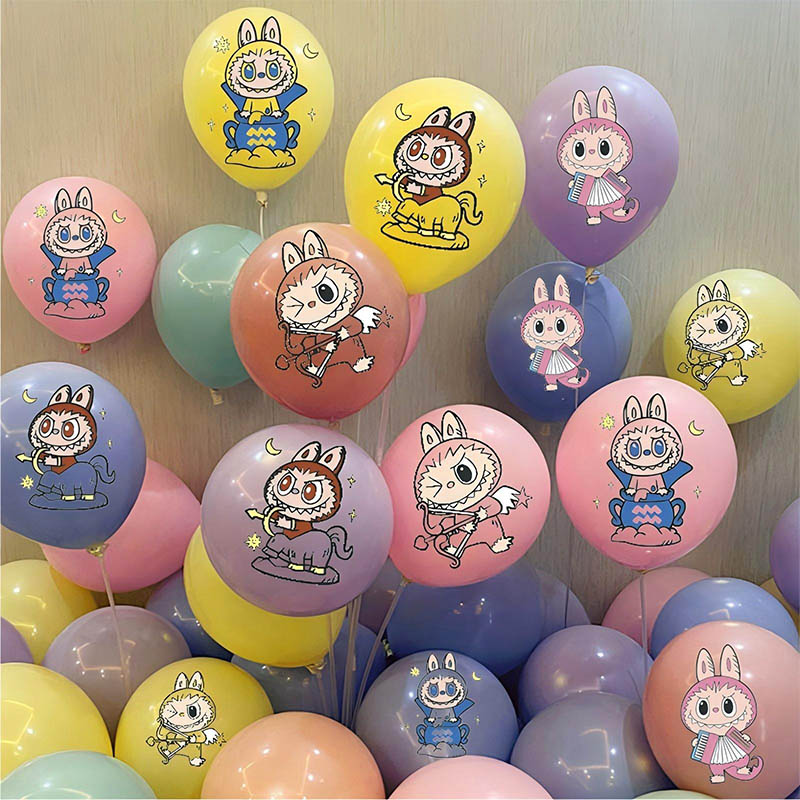
To find a professional latex balloon factory, verify an ISO 9001:2015 facility maintaining nitrosamine levels under 0.05 mg/kg and EN71-3 toy safety compliance. Sourcing requires a 3% maximum burst rate during 400% elongation tests and 98% color consistency verified by X-Rite spectrophotometers. High-tier plants use 60% dry rubber content (DRC) feedstock, ensuring 12-hour helium hold times for 12-inch units, backed by 1.5 AQL (Acceptable Quality Level) inspection protocols for daily outputs exceeding 1.2 million pieces.
Raw material purity dictates the basic durability of the product, where top-tier producers source latex with a 60% dry rubber content (DRC) to prevent thinning during inflation. This high concentration ensures that a standard 12-inch balloon maintains its structural integrity for over 18 hours at 25°C, whereas lower-grade alternatives often fail within 6 hours due to excessive filler use.
Heavy concentrations of calcium carbonate, often exceeding 15% in budget batches, create micro-pores that allow helium molecules to escape faster, leading to premature drooping.
Such material integrity is further refined during the automated dipping process, where the speed of the conveyor belt determines the exact wall thickness of the balloon. A variation of even 0.02mm in thickness can result in a 5% increase in the burst rate when the product is exposed to outdoor temperatures exceeding 30°C.
Reliable plants maintain their dip tanks at a constant 32°C to 35°C to ensure the coagulant adheres evenly to the molds, preventing the thin tops that cause standard balloons to pop. This precision is monitored by digital sensors that recalibrate the line every 45 minutes to account for humidity shifts in the production hall.
-
2025 Industry Standards: Maximum allowable nitrosamine levels set at 0.05 mg/kg for global toy safety.
-
Tensile Strength: High-quality latex must reach 28 MPa before breaking in laboratory pull tests.
-
AQL 1.5: The standard for inspection, where no more than 1.5% of a batch can fail visual or pressure checks.
Beyond physical dimensions, the chemical leaching process is what separates medical-grade facilities from basic workshops. A double-leaching system using hot water baths at 70°C removes residual proteins and processing chemicals that cause skin irritation or strong odors.
Factories that cut the leaching time by 50% to save energy often produce balloons with high powder residue, triggering allergies in 2% to 3% of the general population.
Effective leaching ensures the latex balloon factory produces a low-protein product that meets the strict 2024 EU toy safety directives. This safety profile is verified through third-party lab results that manufacturers should provide for every 50,000 units produced.
| Technical Metric | Tier 1 Factory | Tier 3 Factory |
| Float Time (Helium) | 12 - 18 Hours | 4 - 6 Hours |
| Nitrosamine Content | < 0.01 mg/kg | > 0.10 mg/kg |
| Color Opacity | 98% Uniform | 85% Blotchy |
| Burst Rate (12") | < 1% | > 4% |
Color consistency is managed through computerized pigment dosing systems that eliminate human error associated with manual mixing. In a study of 1,500 sample units, batches using automated dosing showed a Delta E color difference of less than 1.0, making the color shift invisible to the naked eye.
Precision dosing prevents color bleeding where the pigment rubs off on fingers or surfaces during the inflation process. Professional latex balloon factory operations use organic pigments that are light-fast, ensuring the balloons do not fade after 4 hours of UV exposure.
UV stability is measured by exposing inflated samples to 300 watts of artificial sunlight to simulate outdoor event conditions and checking for elasticity loss.
Testing protocols include an inflation stress test, where balloons are filled to 110% of their rated capacity for a duration of 24 hours. This identifies structural weaknesses in the neck or nipple of the balloon, areas where 80% of manufacturing defects typically originate.
Large-scale distributors look for plants capable of producing 1.5 million units daily, as high-volume output suggests a level of automation that reduces unit costs. Scale is balanced with a documented QC track record, showing that the facility has passed SMETA or BSCI audits in the last 24 months.
These audits prove that the plant manages its wastewater correctly, as latex production generates acidic runoff requiring pH neutralization to a level of 7.0 before discharge. Ethical production extends to the drying phase, where balloons are cured in industrial ovens at 120°C to vulcanize the rubber, giving it its final stretch properties.
Under-cured latex feels tacky and will stick together in the packaging, leading to a 10% loss of inventory when the end-user tries to separate them. Proper vulcanization ensures a shelf life of up to 2 years when stored at a temperature of 20°C away from direct sunlight.
The final evaluation involves checking the factory's printing capabilities, specifically the use of CMYK silk-screen machines that print up to 8 colors with registration. In 2026, top-tier buyers began requiring Mylar-grade ink density on latex surfaces to ensure logos remain crisp even when the balloon is stretched to its maximum diameter.
Surface friction and "slip" are controlled by adding a food-grade cornstarch or silicone coating during the final tumbling stage. A 2-gram distribution of powder per 100 balloons prevents sticking without creating excessive dust that interferes with automatic balloon stuffing machines or high-speed decorators.
Logistics reliability is the final hurdle, where a professional facility should offer FOB or DDP shipping terms with a 95% on-time delivery rate. Most international buyers request a factory inspection report every 12 months to verify that the equipment maintenance logs are up to date and that the 1.5 AQL standards are still being strictly applied to every shipping container.