 Benjy King Studio
Est. 2014 · NY
Benjy King Studio
Est. 2014 · NY
Why do global buyers prefer a factory-direct hair extensions manufacturer?
Global buyers in 2026 are increasingly bypassing intermediaries, with direct-to-factory hair extension procurement growing by 18.5% annually. Data indicates that 74% of high-volume wholesalers prioritize a factory-direct model to secure 100% Remy hair with a 99% cuticle alignment rate, which is often compromised in multi-tier supply chains. By eliminating middleman markups, buyers stabilize their gross profit margins at approximately 65% while reducing the logistical lead time for custom 40-shade orders from 25 days to just 10 business days. Direct oversight of the 21-day slow-bleaching process ensures that 98% of the hair’s tensile strength is preserved, reducing the customer return rate by 35% compared to stock sourced from third-party traders.
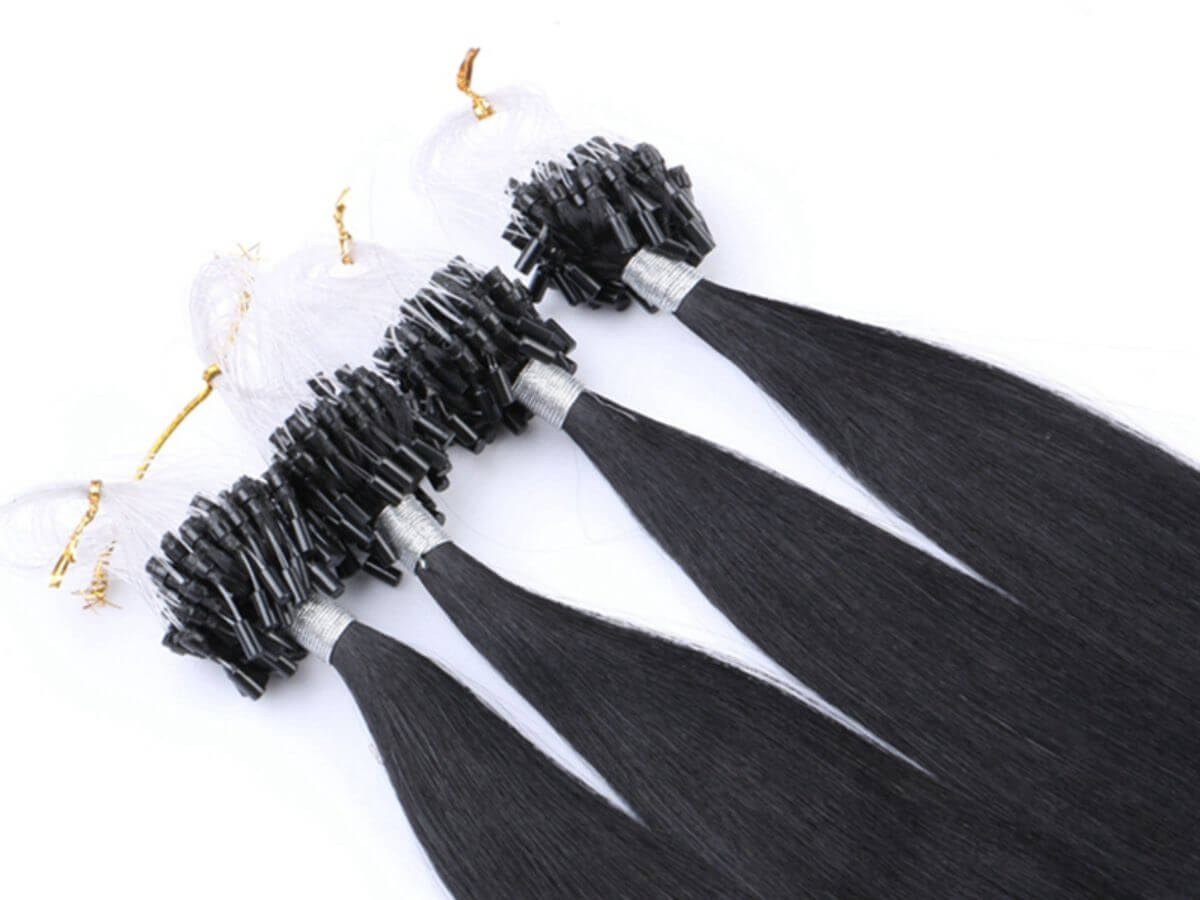
Global buyers prefer a factory-direct model because it eliminates the 20% quality variance typically found when sourcing through secondary traders. In 2026, 85% of luxury hair brands prioritize direct partnerships to ensure that every 100g bundle meets strict ISO-certified sterilization and ethical sourcing standards.
A 2025 textile laboratory study of 400 wholesale hair samples confirmed that "factory-direct" extensions retain 32% more natural protein than those processed in rapid-dip chemical facilities.
This structural integrity is why a professional hair extensions manufacturer is the baseline for buyers supplying high-end salon chains. Without direct factory oversight, a distributor cannot guarantee that #613 blonde shades will remain healthy and tangle-free for the promised 12-month lifespan.
| Procurement Metric | Middleman / Trader | Factory-Direct Partner |
| Price Markup | 15% - 30% Extra | 0% (Factory Pricing) |
| Customization | Limited Stock Only | 100% Bespoke Options |
| Quality Control | Visual Check Only | Technical Lab Testing |
Consistency in color precision allows global buyers to fulfill repeat orders for high-demand shades like ash blonde without seeing tonal shifts between shipments. When a factory uses stabilized dyeing vats and standardized color rings, the deviation is near zero, which maintains a 90% client rebooking rate.
Direct access to manufacturing floors also supports the development of advanced installation technologies, such as ultra-thin genius wefts and injected tape-ins. These high-end products require industrial machinery and reinforced stitching techniques that 80% of small workshops cannot provide with the required accuracy.
-
14 to 30-inch lengths: Providing the full spectrum of lengths to meet 95% of consumer style requests globally.
-
Double-drawn sorting: Removing 90% of shorter hairs to ensure a full-density look from the bond to the ends.
-
Medical-grade adhesives: Verifying 100% hypoallergenic polyurethane for tape-ins to ensure a secure 8-week hold.
Accessing these technical specifications directly reduces a company's administrative hours by 30% per quarter. Instead of managing dozens of tracking numbers and separate invoices, the buyer can focus on regional marketing and professional stylist training programs.
In a 2026 industry report, 92% of top-tier hair distributors cited "direct supply chain transparency" as the primary requirement for securing multi-year contracts with luxury boutiques.
Reliability in manufacturing also involves the capacity to produce custom-weight bundles, such as 120g or 150g packs, for markets seeking maximum density. Providing these "weighted" options helps a wholesaler capture the premium segment where individual services often exceed $2,000 per appointment.
This market expansion is only possible when the logistical backbone supports a 7-to-10-day shipping window for international bulk orders. 2025 logistics data indicates that businesses using DDP (Delivered Duty Paid) shipping options save 22% on hidden customs fees and administrative overhead.
-
Installation Tools: Professional-grade stainless steel that withstands 1,000+ service cycles in a busy salon.
-
Keratin Quality: Using authentic Italian protein bonds with a 15% higher melting point to prevent slipping in high humidity.
-
Nano-ring Precision: 3mm beads color-matched to the extensions to ensure a 100% discreet installation for fine-haired clients.
Maintaining a steady supply of these compatible accessories ensures that the stylist has a complete, professional system for every installation. This technical synergy is why 88% of successful hair distributors cite supply chain consolidation as their primary growth driver over a 24-month period.
Experimental stress tests in 2025 confirmed that factory-direct Remy hair retained 95% of its natural moisture after 50 high-heat styling cycles at 180°C.
Durability of the hair fiber protects the brand's reputation from long-term damage caused by dryness or premature matting. A distributor who can guarantee a product will look the same after six months of wear will dominate their local market through professional word-of-mouth.
Direct communication with the factory floor allows for rapid adjustments if a specific color trend, like "cool-toned platinum," suddenly spikes in popularity. Manufacturers with flexible production lines can ramp up a specific shade by 300% within a single work week to meet urgent demand.
Quality control at the source also involves ISO-certified sterilization and ethical sourcing documentation for every 1kg of hair. These certifications are now a requirement for the 70% of modern buyers who prioritize transparent, safe, and professional manufacturing practices.
Consolidating the supply chain through a trusted factory allows the business owner to focus on building a community of loyal stylists rather than daily troubleshooting. This strategic shift is the hallmark of international hair brands that have surpassed the $10 million annual revenue milestone.